
Cancer Epigenetics & Nuclear Dynamics Members
The Cancer Epigenetics & Nuclear Dynamics (CEND) program focuses on how nuclear dynamics and information flow within the cell are co-opted in cancer through altered genetic and epigenetic mechanisms.
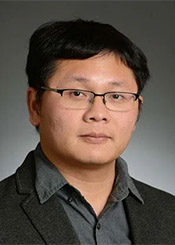
Liu, Yaping
Assistant Professor
Bio
The research focus of my lab is on developing and applying computational and high-throughput experimental methods in epigenomics to understand the gene regulatory roles of non-coding genetic variants ... [more]
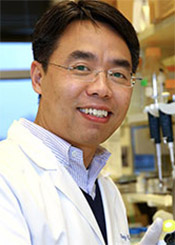
Ma, Yongchao
Professor
Bio
Our group is interested in studying the molecular and cellular mechanisms regulating mitochondrial function and metabolism in neurodevelopment and tumorigenesis. We are particularly interested in the ... [more]
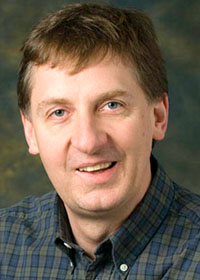
Marko, John
Professor
Bio
At present my lab is focused on use of micromanipulation and imaging to analyze physical properties of chromatin in normal and cancer cells, large-scale chromosome structure, and on use of single-DNA ... [more]
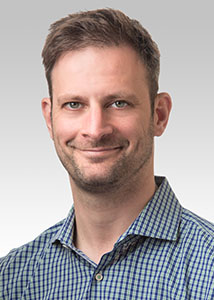
Mendillo, Marc
Associate Professor
Bio
Cancers arise through a multistep process in which genetic and epigenetic lesions accumulate to drastically alter regulatory circuits, DNA, protein and energy metabolism. These alterations, and the in... [more]
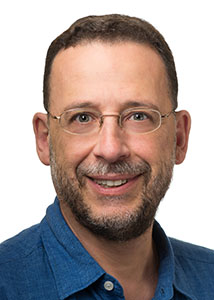
Oliver, Guillermo
Professor
Bio
Dr. Oliver is interested in understanding the cellular and molecular mechanisms controlling organogenesis, with a particular focus on the brain and lymphatic vasculature. His laboratory focus includes... [more]
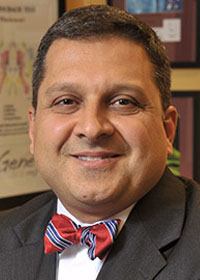
Shilatifard, Ali
Professor
Bio
I hold the Robert Francis Furchgott Professorship and am the Chairman of the Department of Biochemistry and Molecular Genetics at Northwestern University Feinberg School of Medicine. I continue to run... [more]
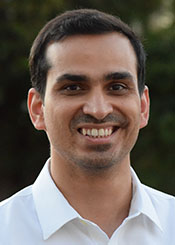
Shukla, Vipul
Assistant Professor
Bio
My research broadly focuses on understanding the roles of cytosine modifications and alternative DNA structures in normal and cancer genomes. I am currently investigating the functions of G-quadruplex... [more]
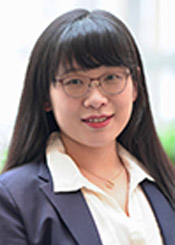
Song, Xiao
Research Assistant Professor
Bio
My research investigates the roles of RNA alternative splicing in brain tumor development, with the goal of developing innovative RNA-based therapies for brain cancer. I focus on several key areas... [more]
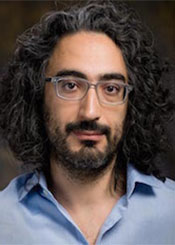
Vafabakhsh, Reza
Associate Professor
Bio
Our laboratory research is directed along two main avenues: Firstly, we are dedicated to characterizing the mechanisms underlying the activation of G protein-coupled receptors (GPCRs) a... [more]
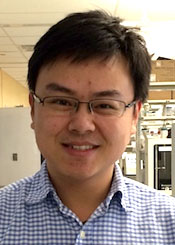
Wang, Lu
Assistant Professor
Bio
The recent genome-wide sequencing analysis have identified a series of novel somatic genetic alterations in patients with relevance to pathogenesis, prognostication, and therapy. Notably, these includ... [more]